Las Lauras
24,000 ha of Yungas forest, protected for good

24,000 ha of Yungas forest, protected for good
ha Protected Land
ha Provincial Park
Species of Birds
Tonnes of CO2 stored
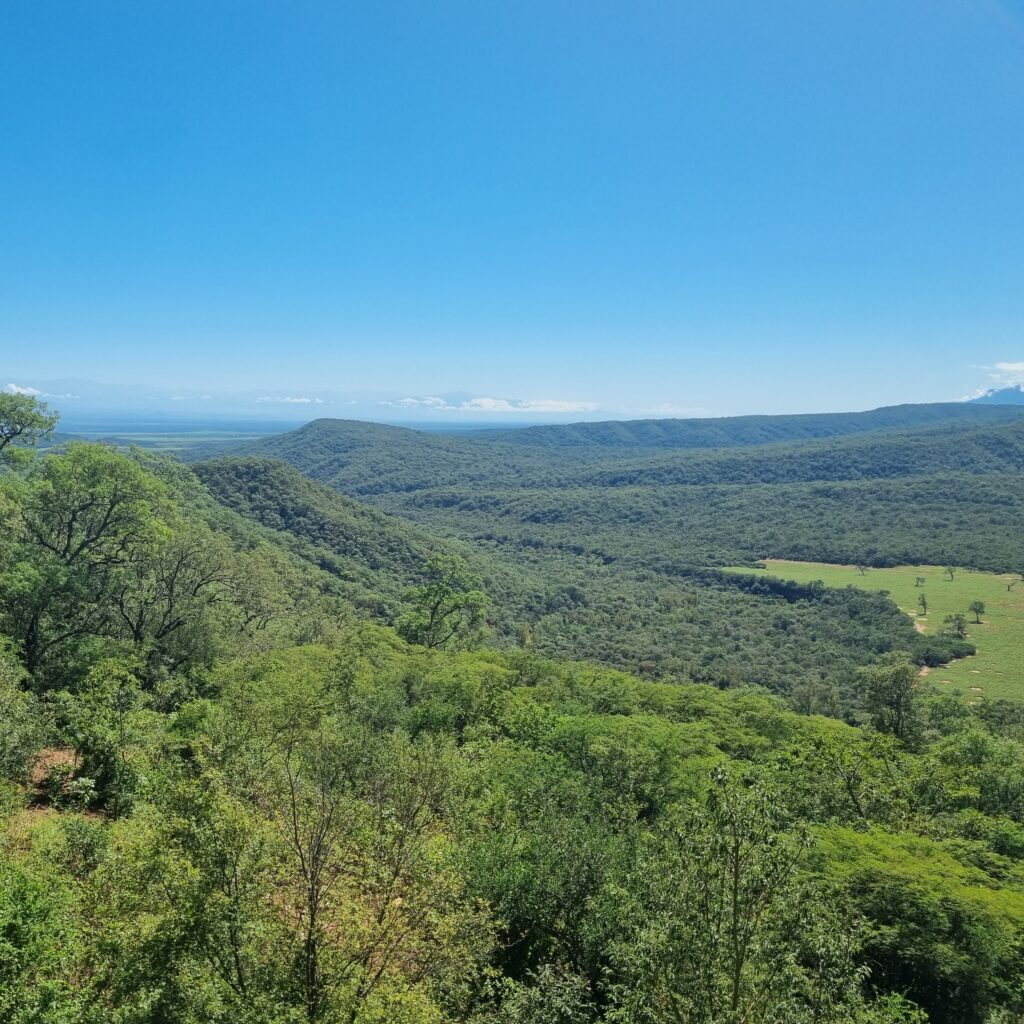
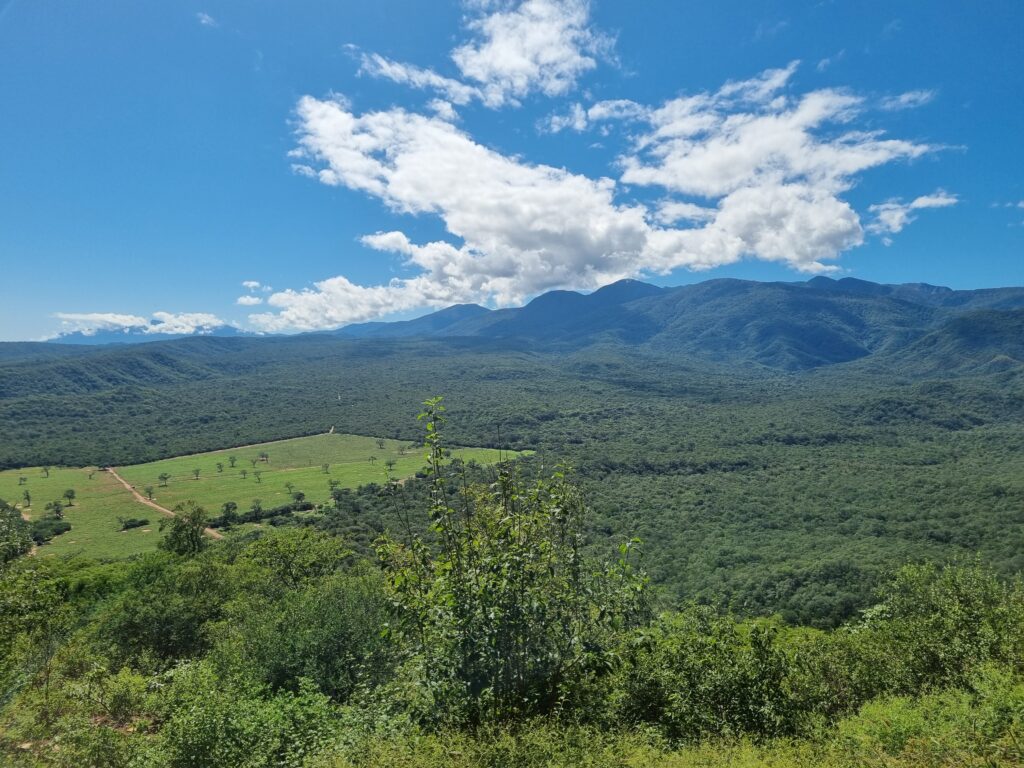
Las Lauras is located in the provinces Salta and Jujuy in Argentina, and it protects 24000 ha of native Yungas forest. The project is part of our larger initiative to conserve the Yungas forests in the region, to safeguard sufficient connectivity between the remaining forests, and to protect areas at landscape scale by integrating them into the Argentinian National Park system.
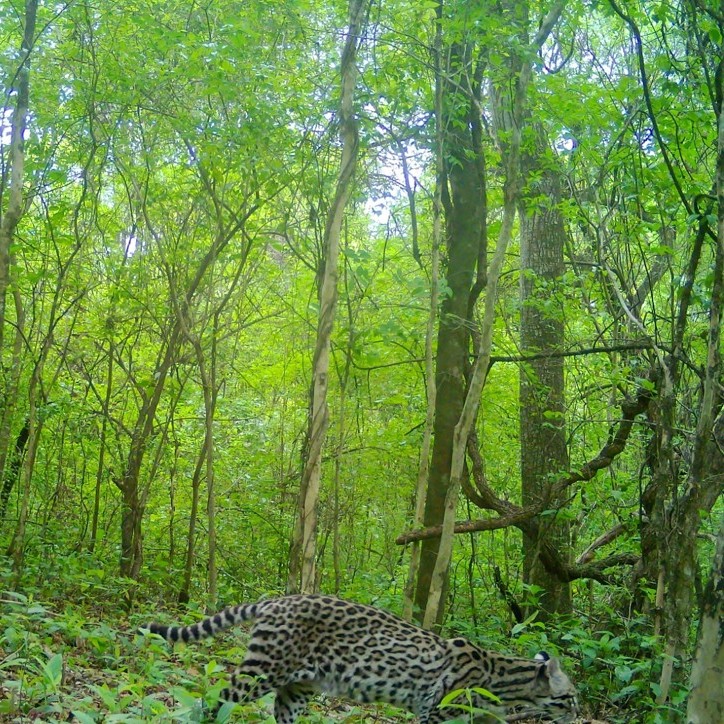
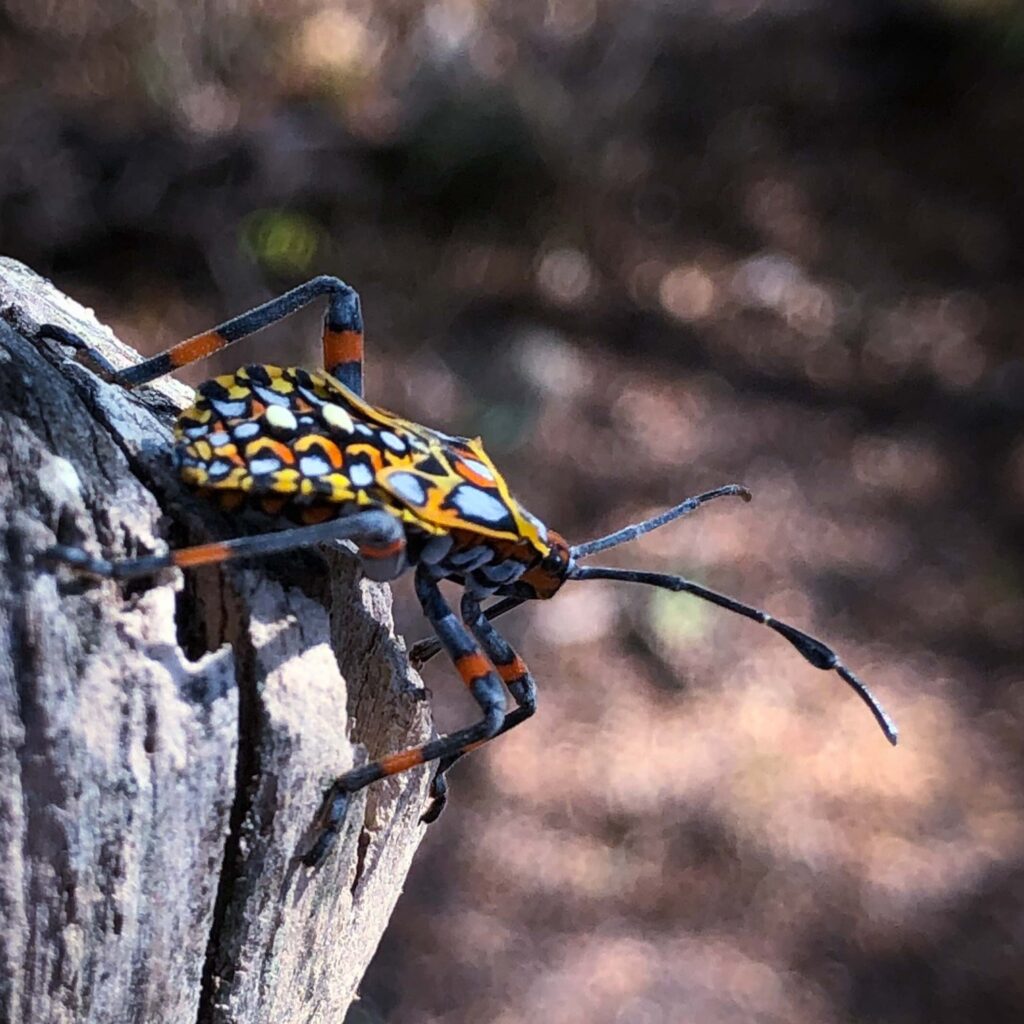
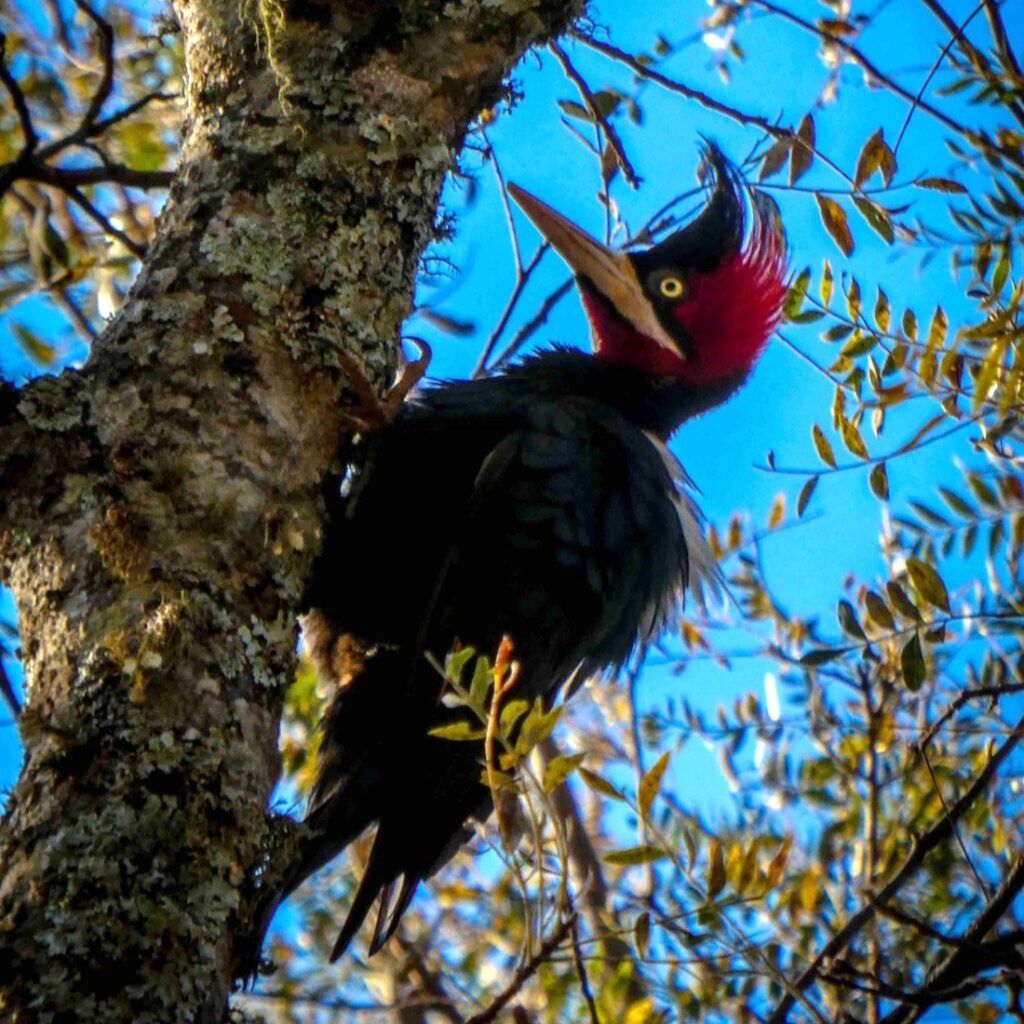
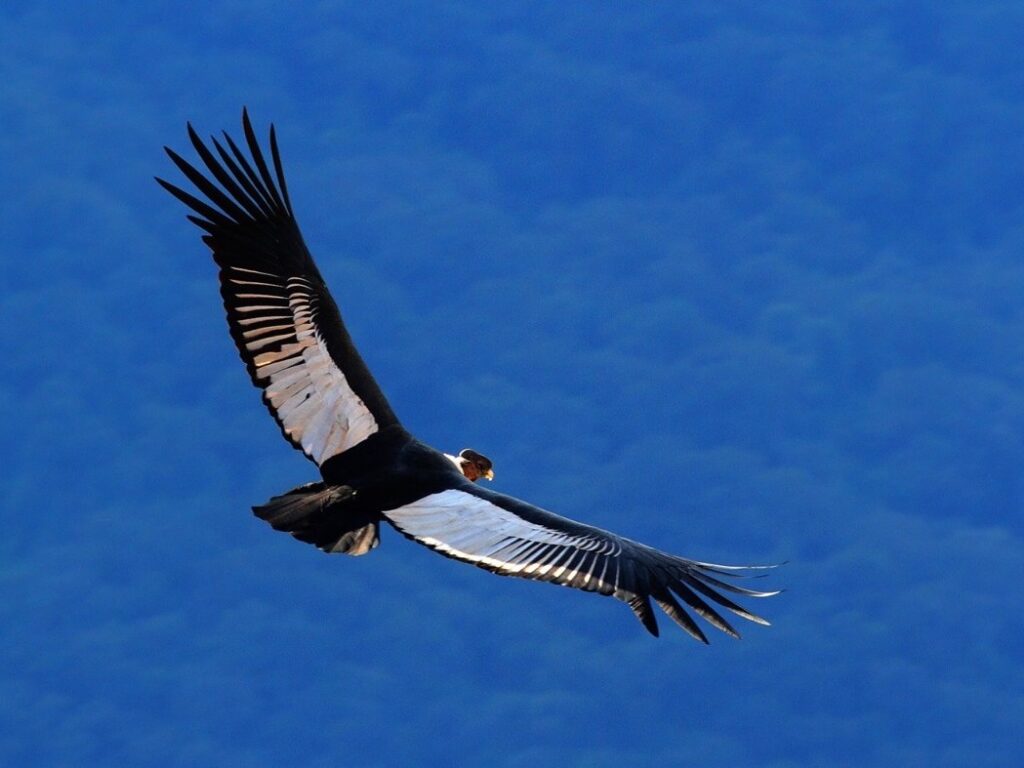
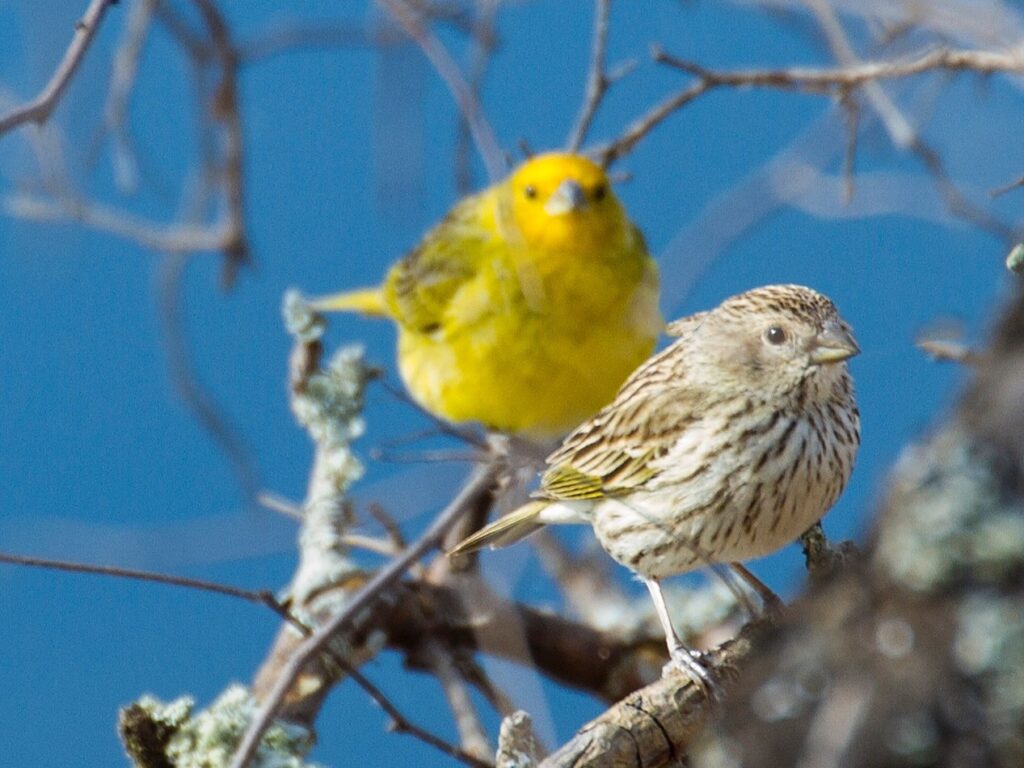
The project area is home to more than 350 species of birds, over 1/3 of all bird species recorded in Argentina, and a wide range of mammals. Among them are six of Argentina’s ten wild cat species, including pumas and ocelots. The long-term goal is to support the return of the jaguar to the region. The area also provides critical habitats for tapirs and for the Andean condor, a species facing steep population declines worldwide.
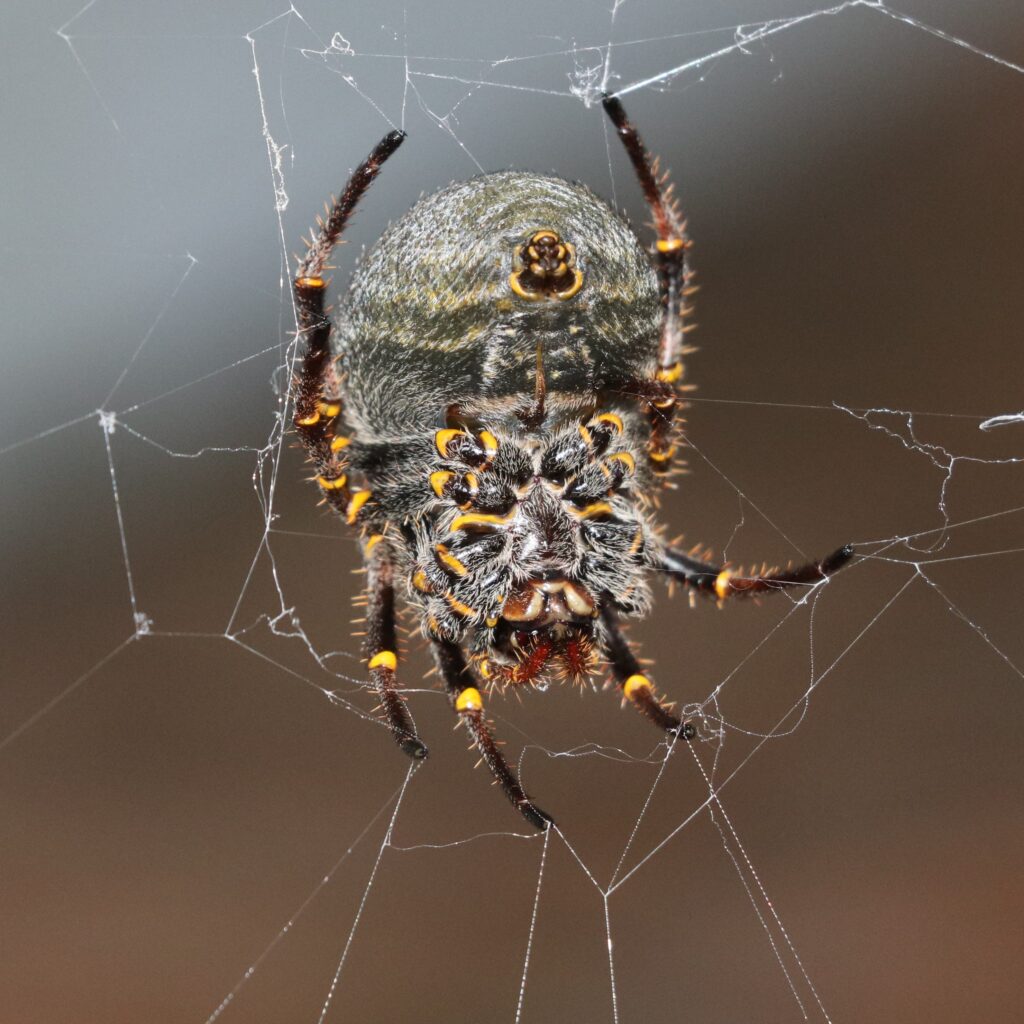
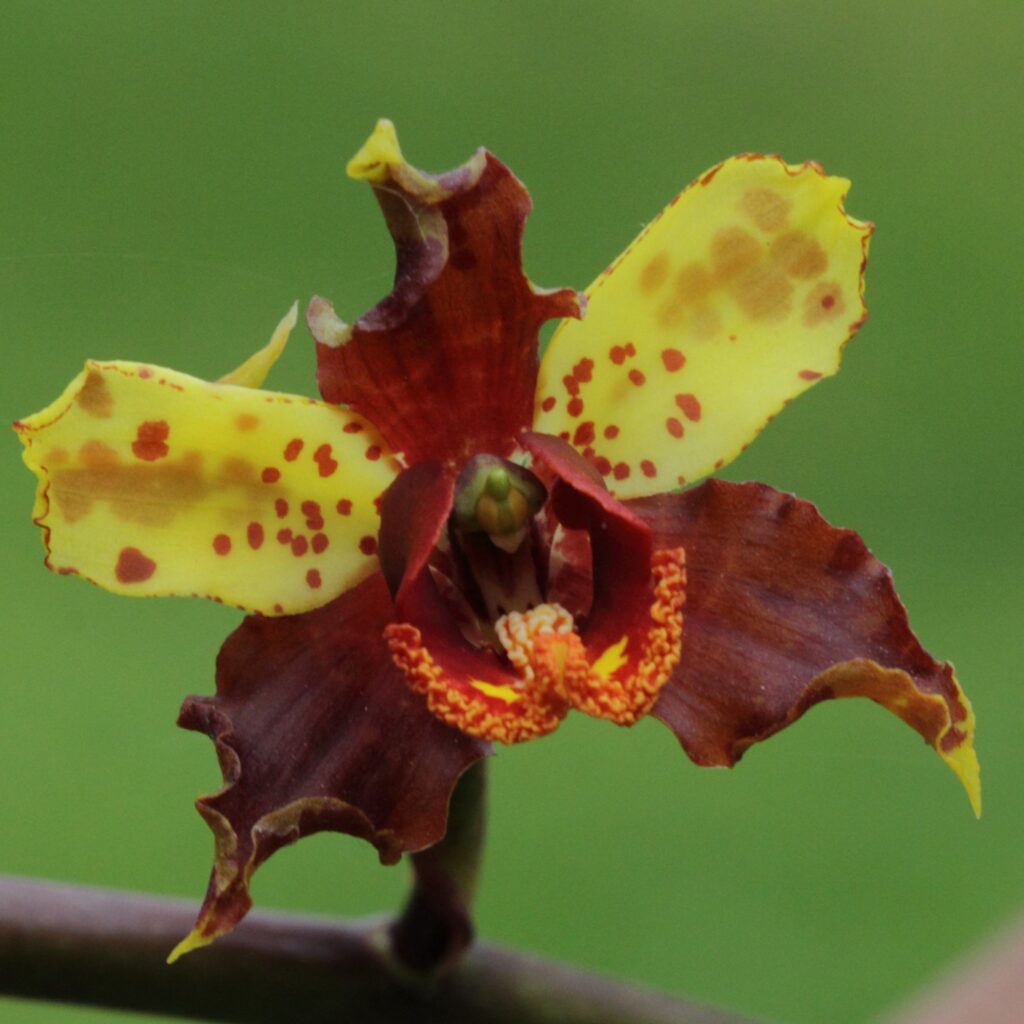
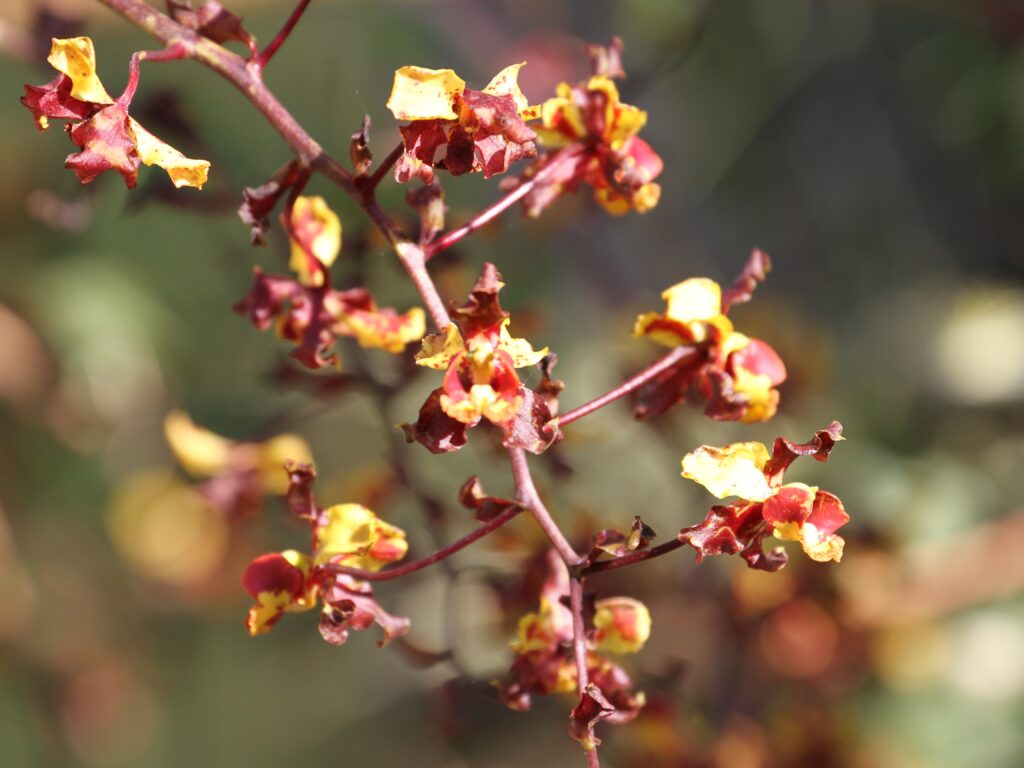
In recent years, scientific investigations have identified several new species of orchideas, including Pachygenium laurense, named after Las Lauras itself. Scientific research in the area is conducted in close cooperation with the University of Jujuy and CONICET, one of the largest and most prestigious governmental research organisations in Latin America.
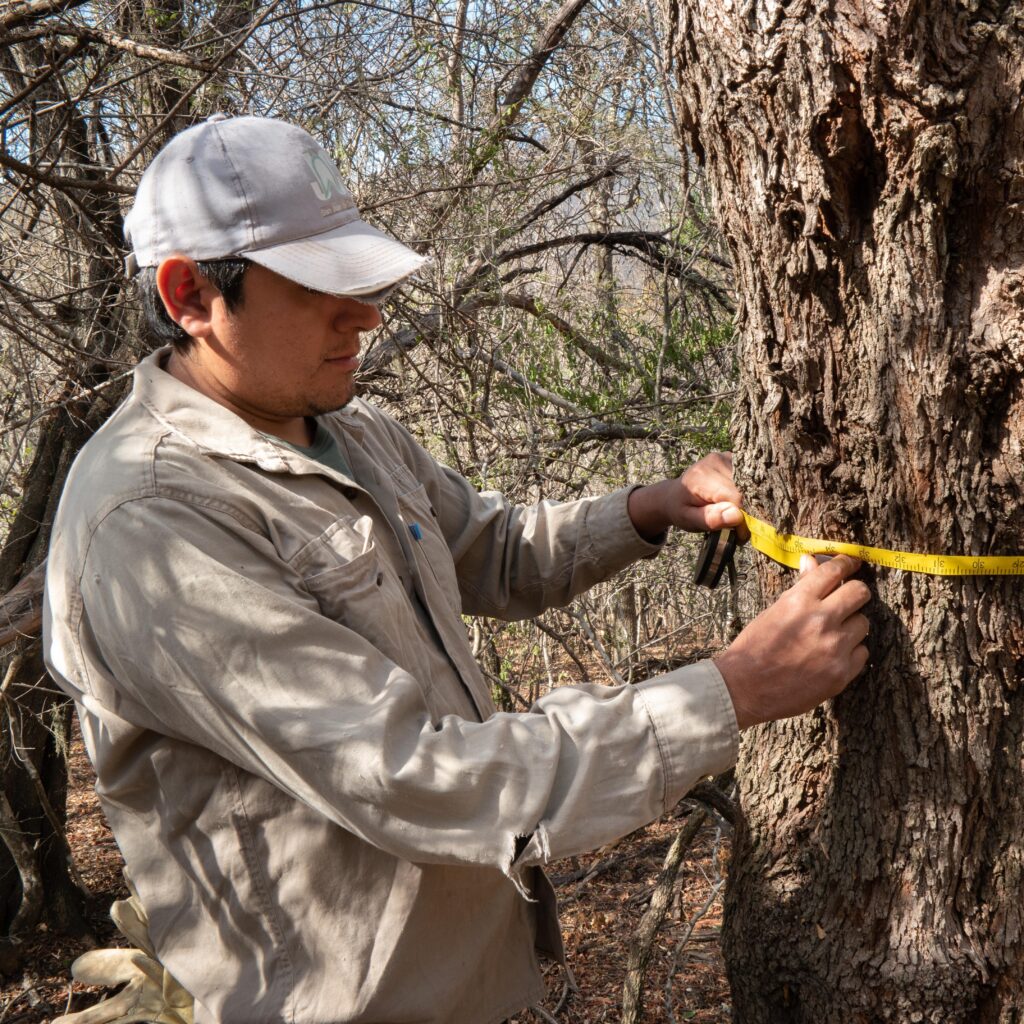
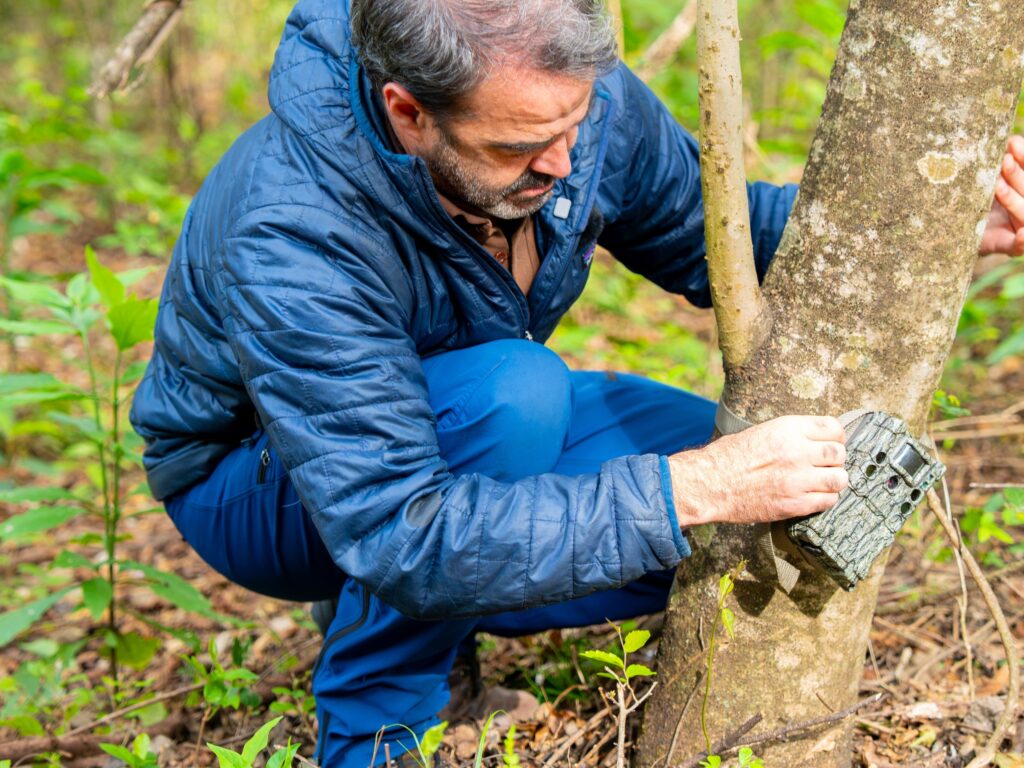
Furthermore, a broad monitoring system deploying camara traps is closely observing the development of the migration of mammal species in the area.
14,000 ha of the project area have already been donated to the Province of Jujuy, which passed a law in early 2025 declaring this area the Provincial Park “La Reina”. Discussions are ongoing to integrate almost all of the remaining area into the existing “El Rey” National Park.
50 %
of Argentina’s biodiversity on just 2% of its land
70 %
of Argentina’s native forest already lost
The Yungas belong to the most biodiverse areas in the world; in Argentina the Yungas forests represent 50% of the total Argentinian biodiversity in an area of only 2% of its surface. They are, however, under major threat from human activities such as agriculture and mining activities. Overall, Argentina has lost more than 70% of its native forest, and deforestation rates remain high.
Further loss of Yungas forests will result in:
We have financed the project by developing a CO2-Project which will generate some 1.5 million VCUs (carbon credits issued according to a REDD+ methodology (VM0009) developed by Verra) over a 20 year period. The project is currently in its first VCS/CCB verification process, first credits are expected to be issued in late 2026; they will go on sale from early 2027 onwards.
The total amount of CO2 stored in the project area amounts to some 12 – 13 million t of CO2.
Interested in purchasing carbon credits from this project?
Get in touch, we’d be happy to discuss the options:
Interested to learn more about Verra’s Methodology?
Download all documents directly from the their Website:
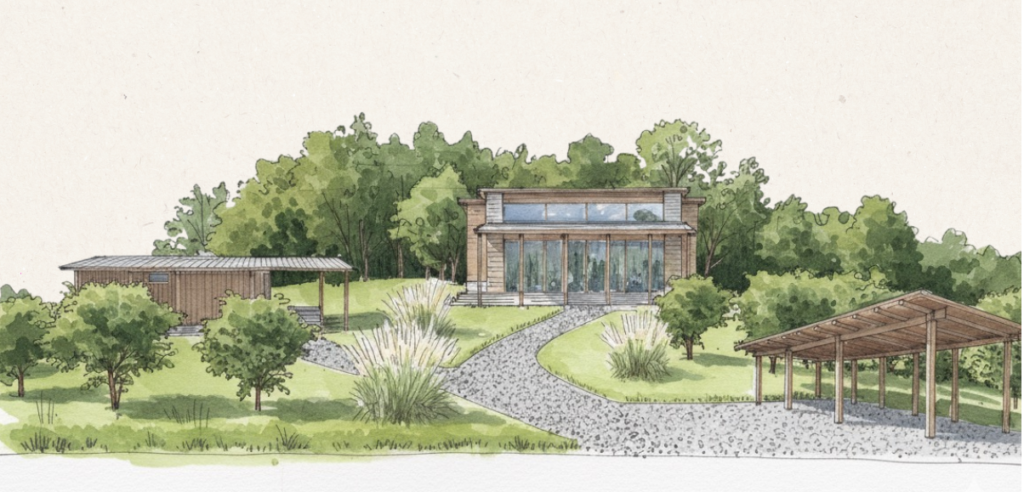
On behalf of the Province of Jujuy, Vision Net Zero and Banco de Bosques are currently designing and constructing a visitors centre and a number of hiking trails in La Reina which will ensure that this initiative will not only safeguard the forest and its flora and fauna but also foster sustainable activities, environmental education programs, scientific research, and the preservation of vital ecosystem services for the region. We have a particular focus on supporting the local school in San Juan de Dios, a small village at the entrance of the Provincial Park La Reina. As result of our activities the school has developed an educational focus on sustainability and ecotourism.