Pizarro
Securing a missing link in Argentina’s forest corridor network

Securing a missing link in Argentina’s forest corridor network
The Pizarro project, located some 50 km North-East of the Las Lauras project in the province of Salta, Argentina, is currently transitioning from the concept phase to the design phase. Together with our partners Fundacion Banco de Bosques, we are currently working on different funding options.
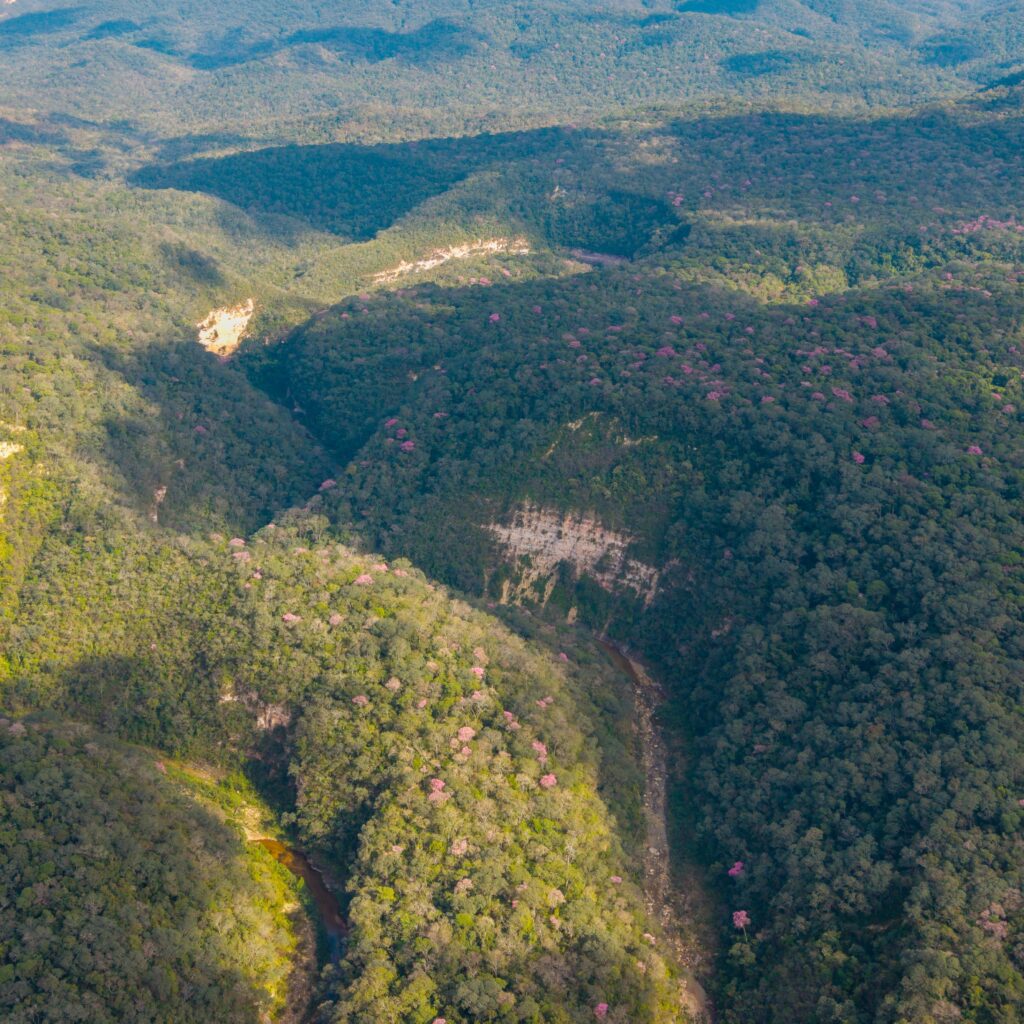
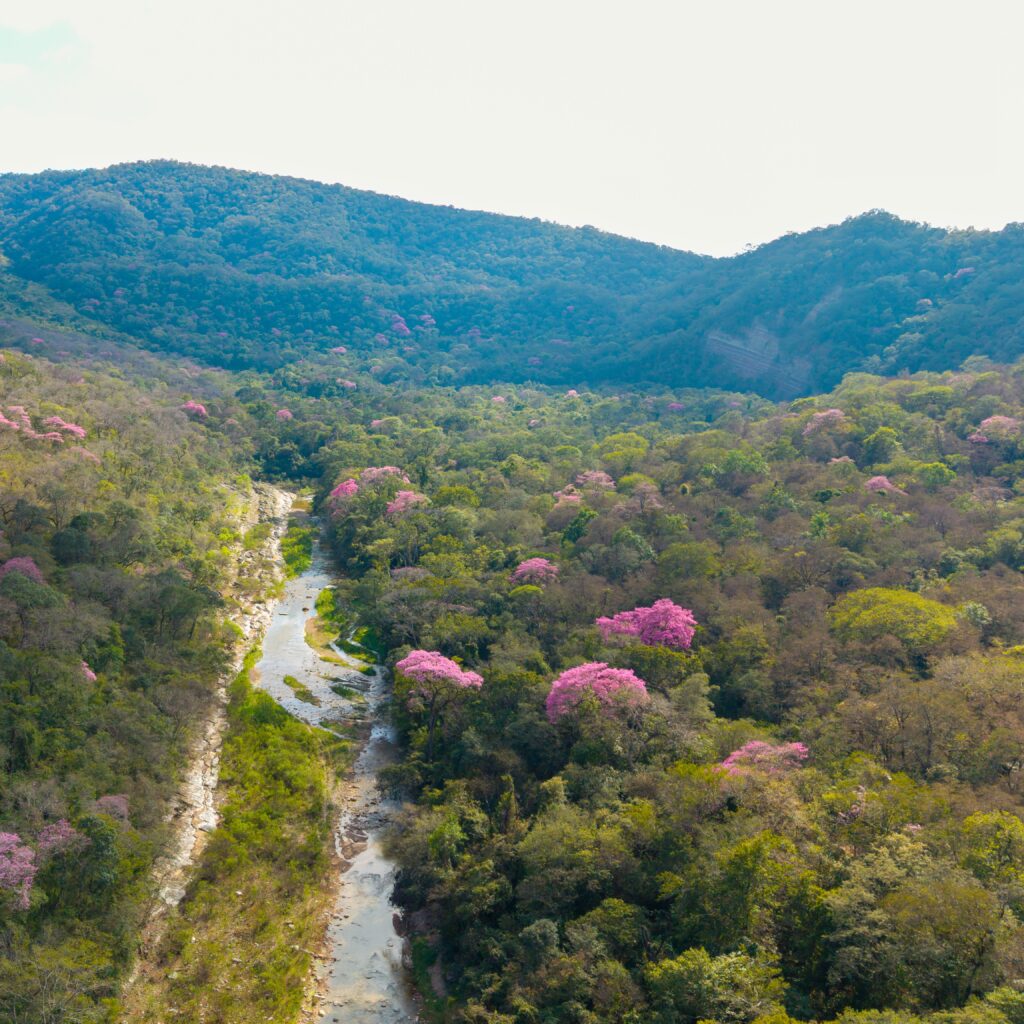
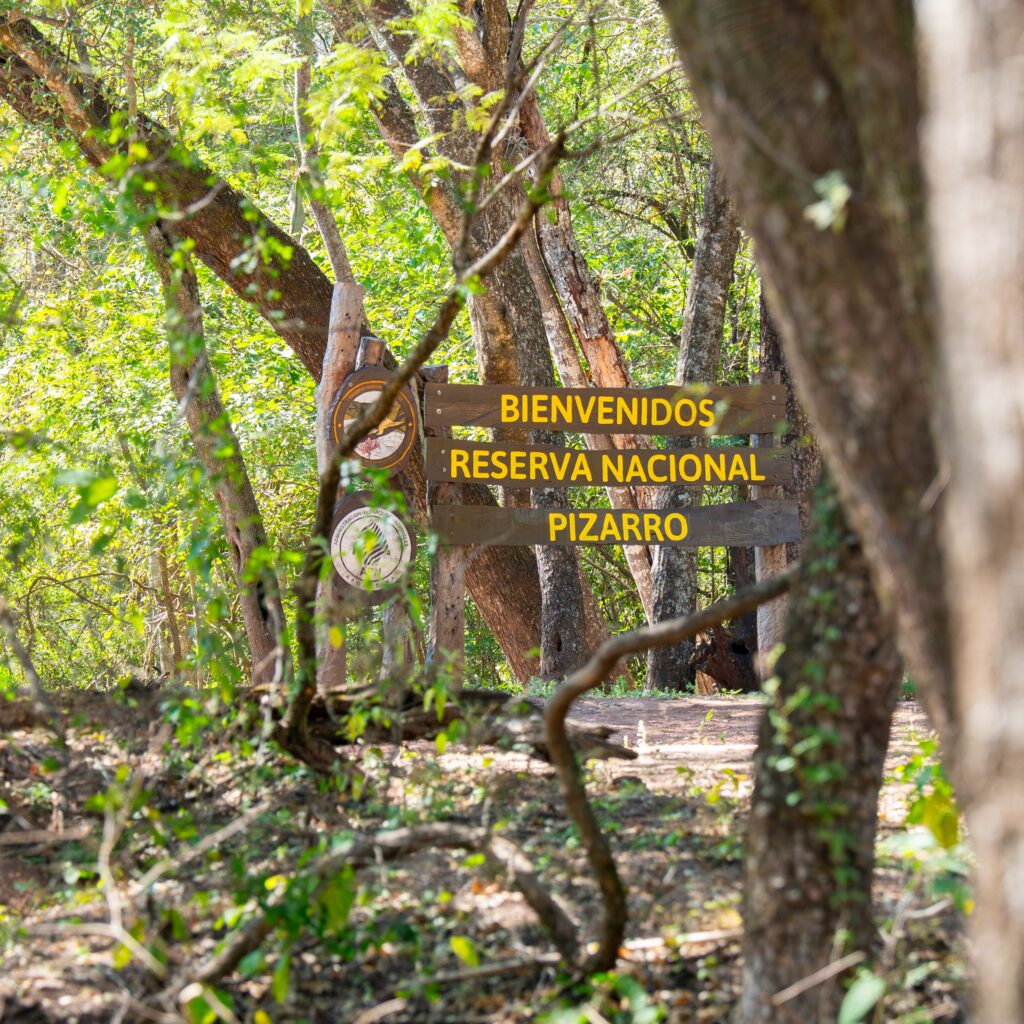
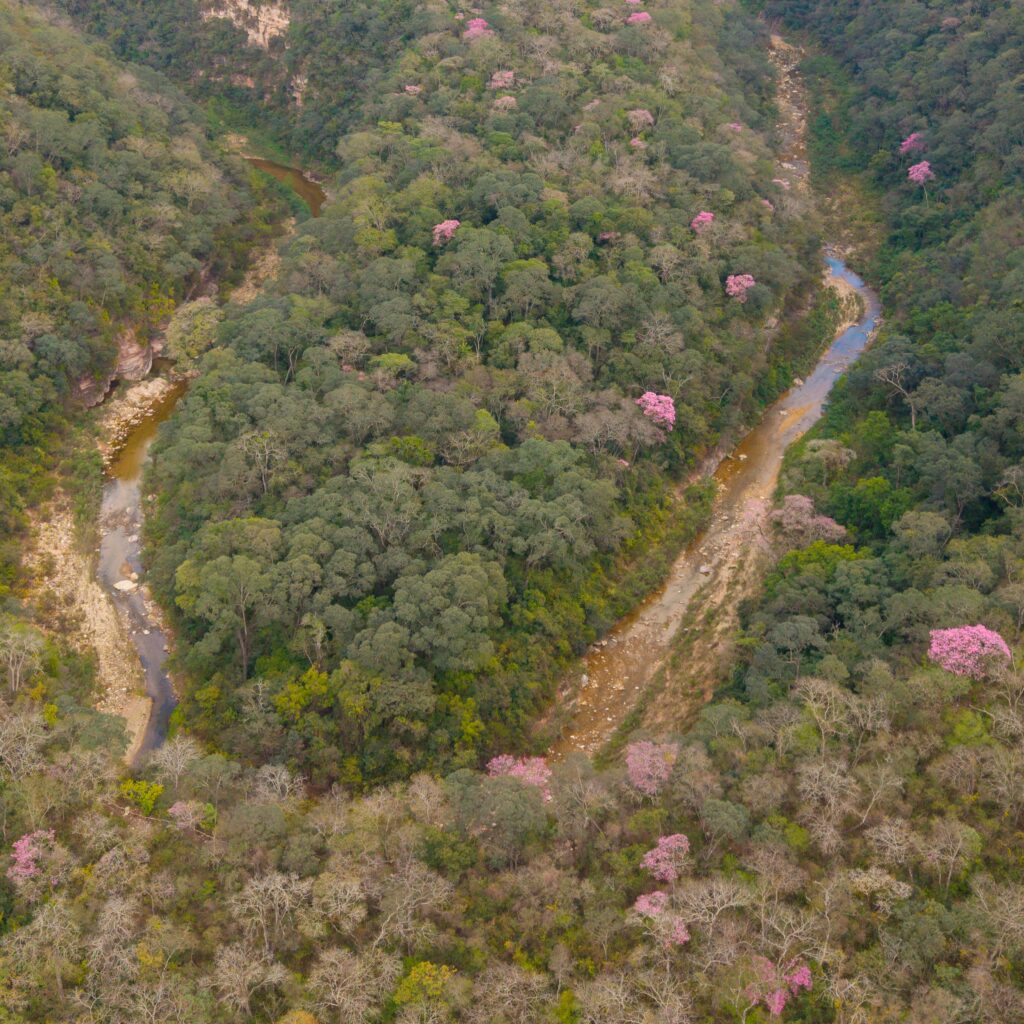
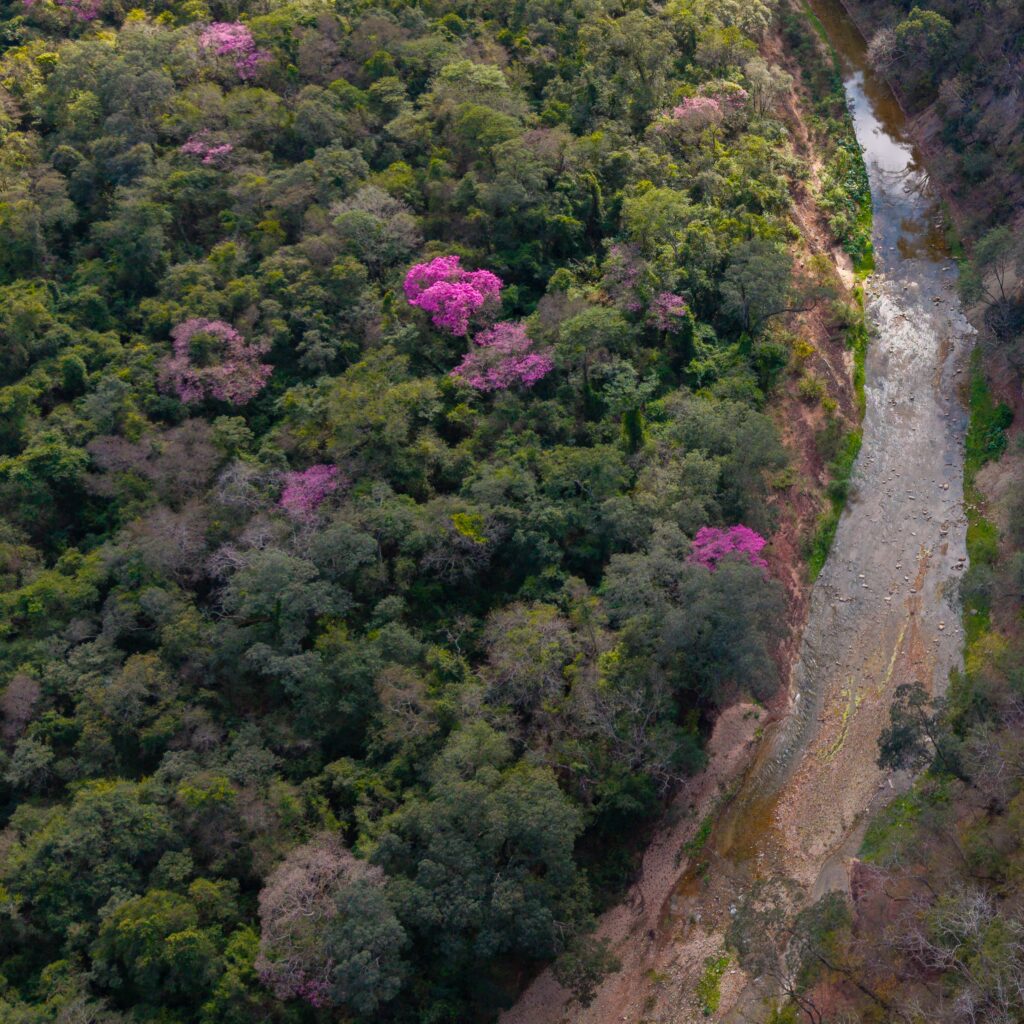
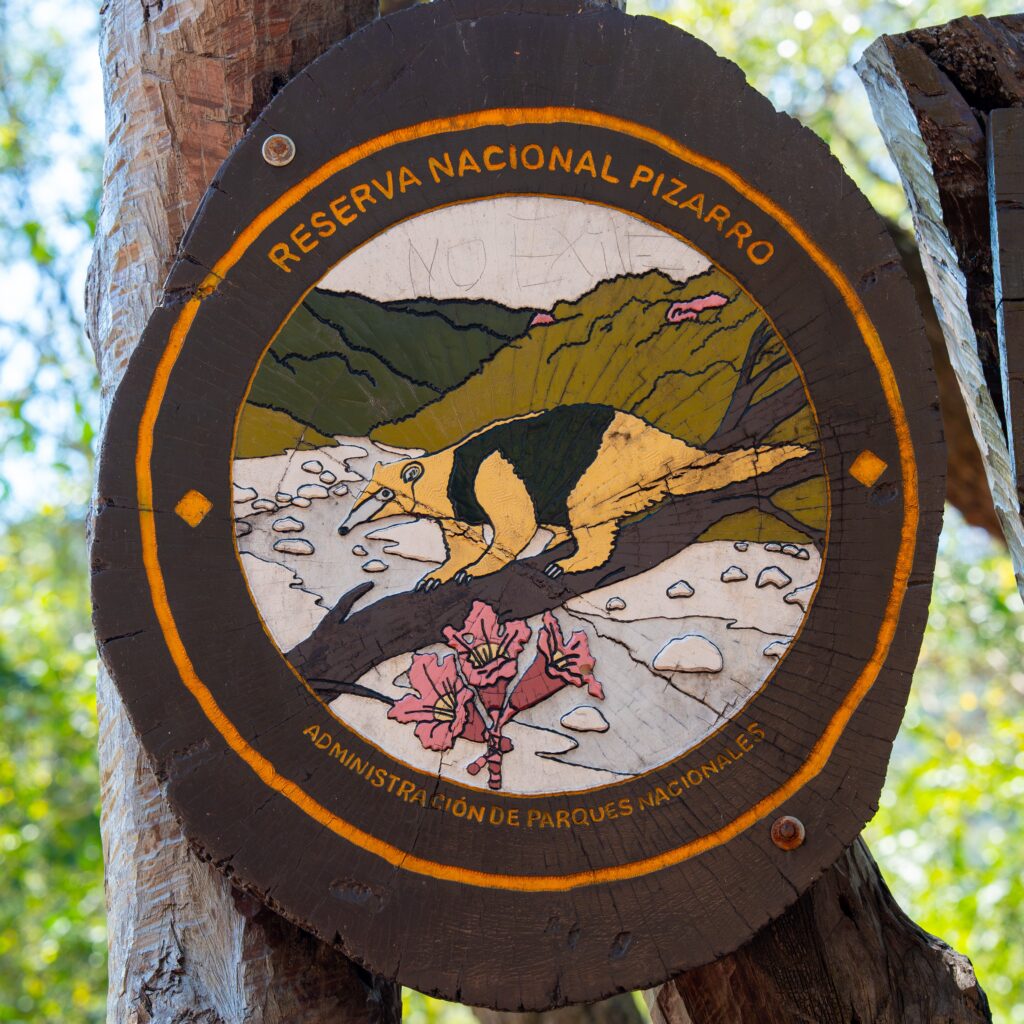
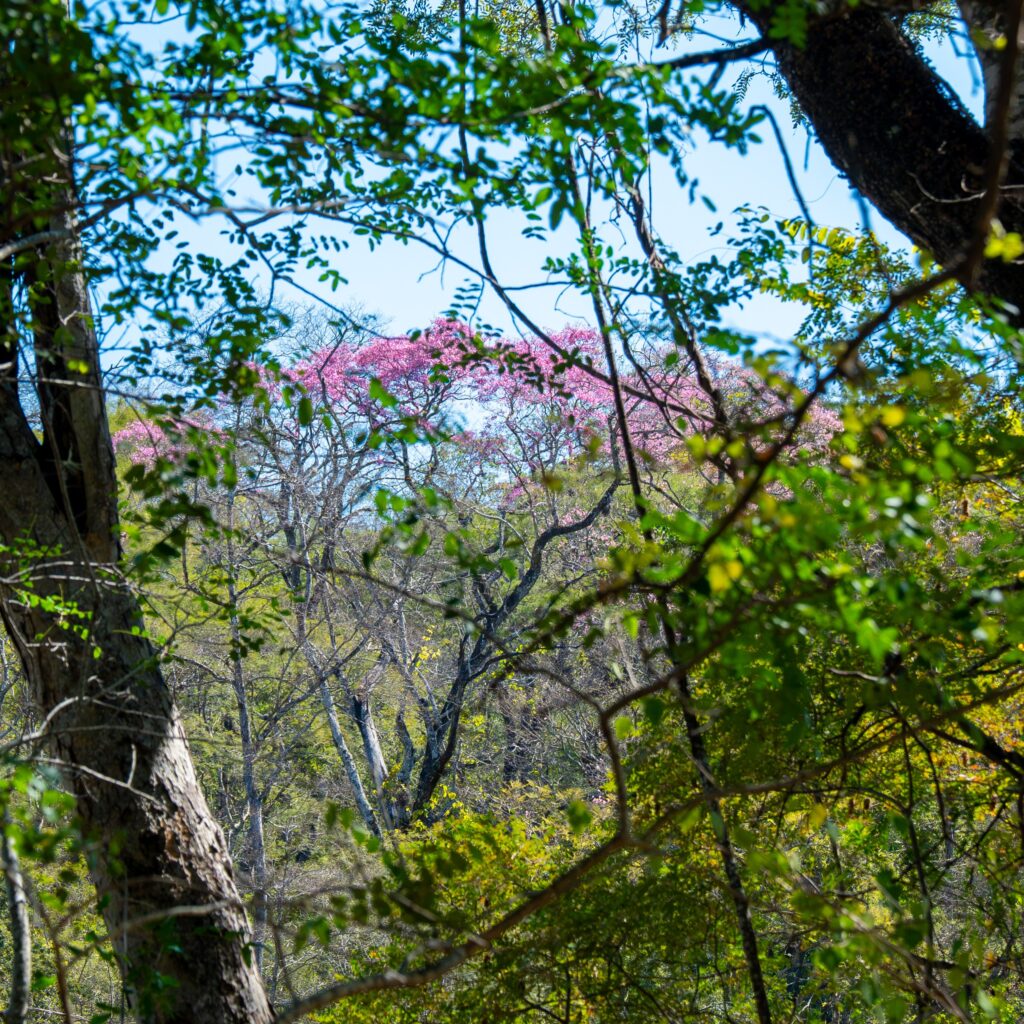
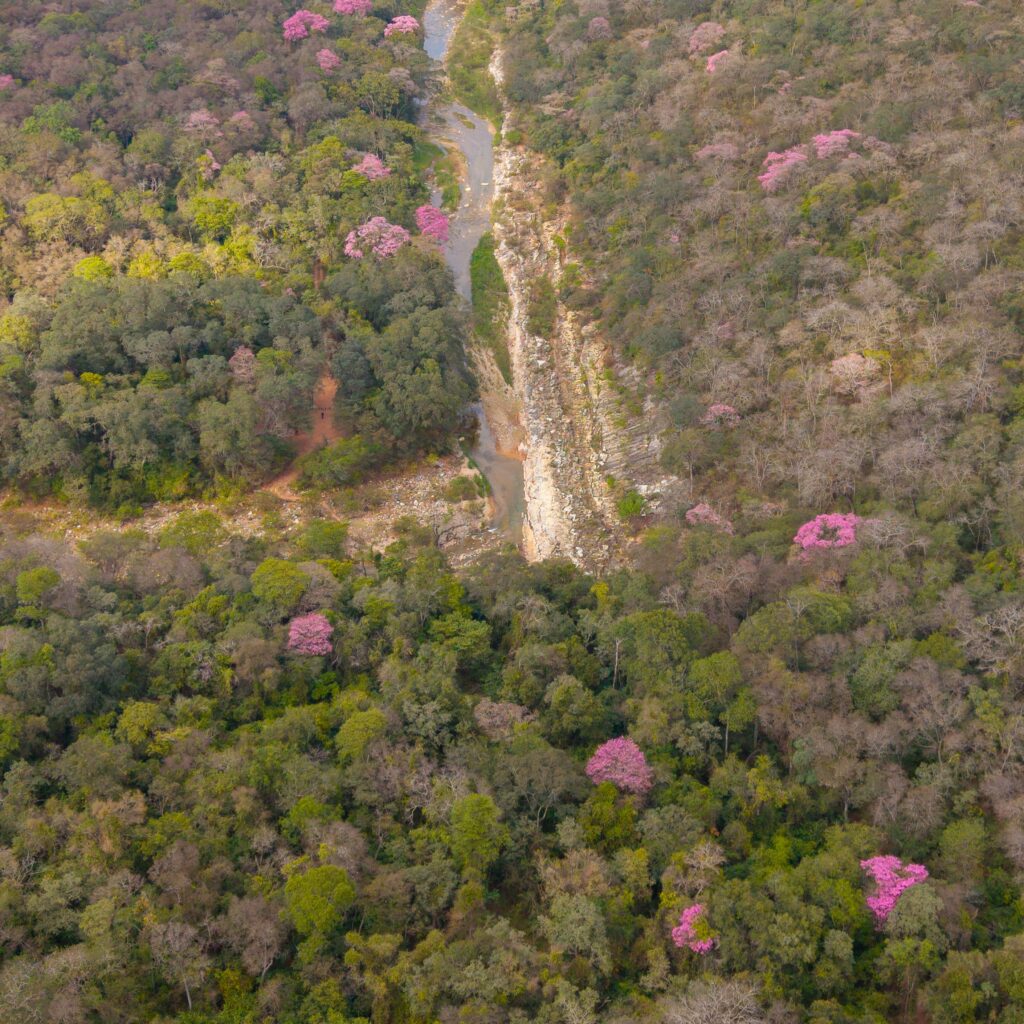
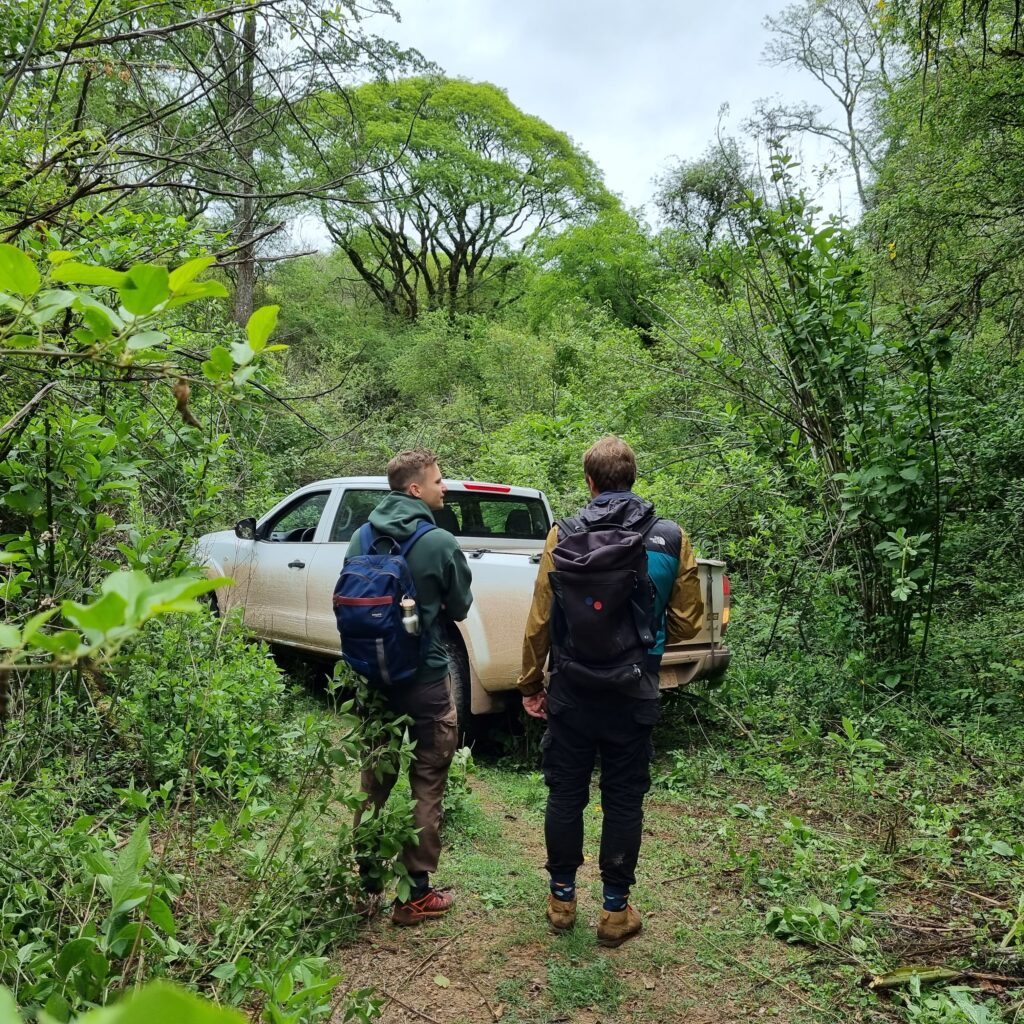
The basic project design includes the purchase of 2 properties (Pizarro 1 & 2) of approx. 6,200 ha (each) of native Dry Chaco Forest and Chaco-Yungas transition zone. In the vicinity the landscape is marked by intensive agricultural activities. Subsequently, the area will be donated and integrated into the neighboring Pizarro National Reserve to guarantee its long-term protection.
It is anticipated that the project will enter the implementation phase in 2027 when a very thorough monitoring campaign is to be started.
The conservation of this area is not only important and urgent due to its exceptional biodiversity and the immediate threat from agricultural activities, but it also plays a critical role at landscape level as it is the first step towards connecting the El Rey National Park with the Pizarro National Reserve.
Without creating a corridor towards the El Rey National Park, the region will become increasingly isolated due to the expansion of agricultural activities into the Dry Chaco and the transition to the Yungas.
The anticipated connection between the Pizarro area with the El Rey National Park consolidates a biological corridor essential for the long-term genetic viability of large mammals.
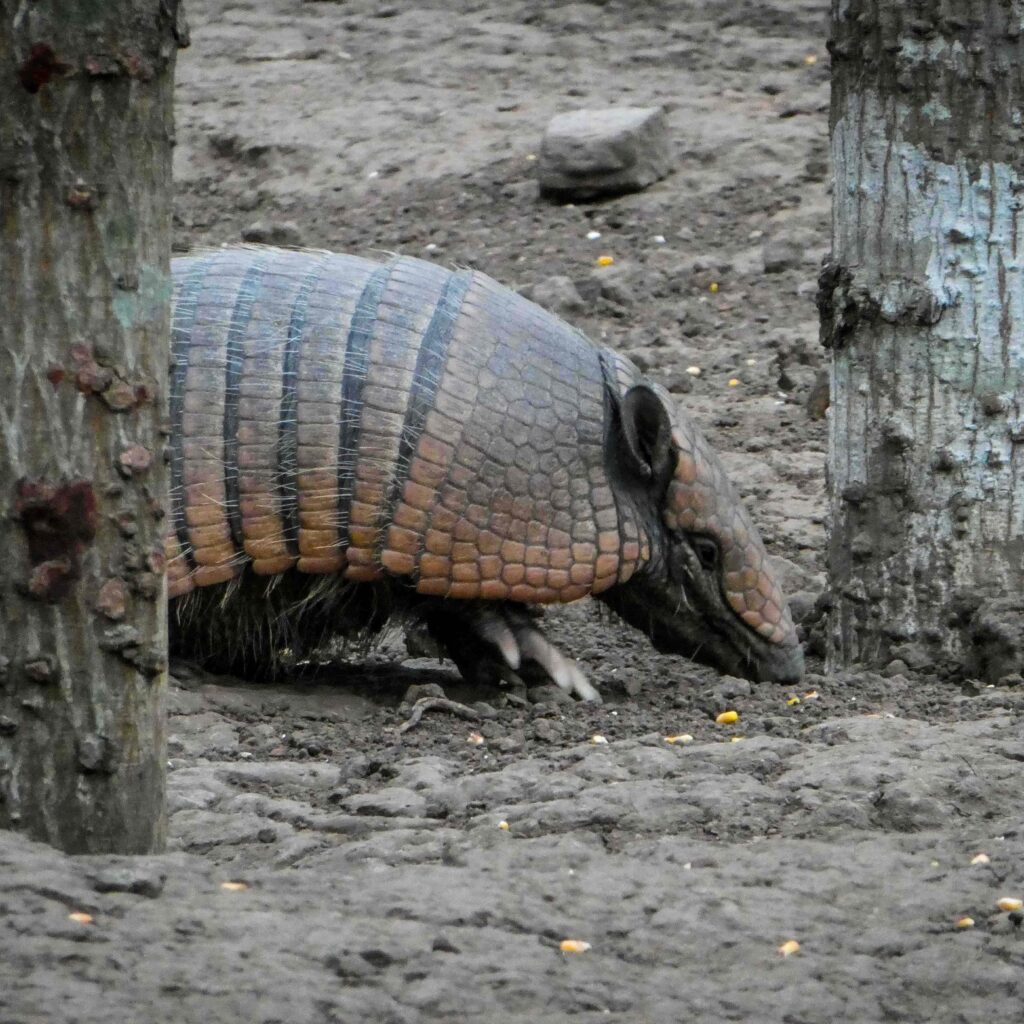
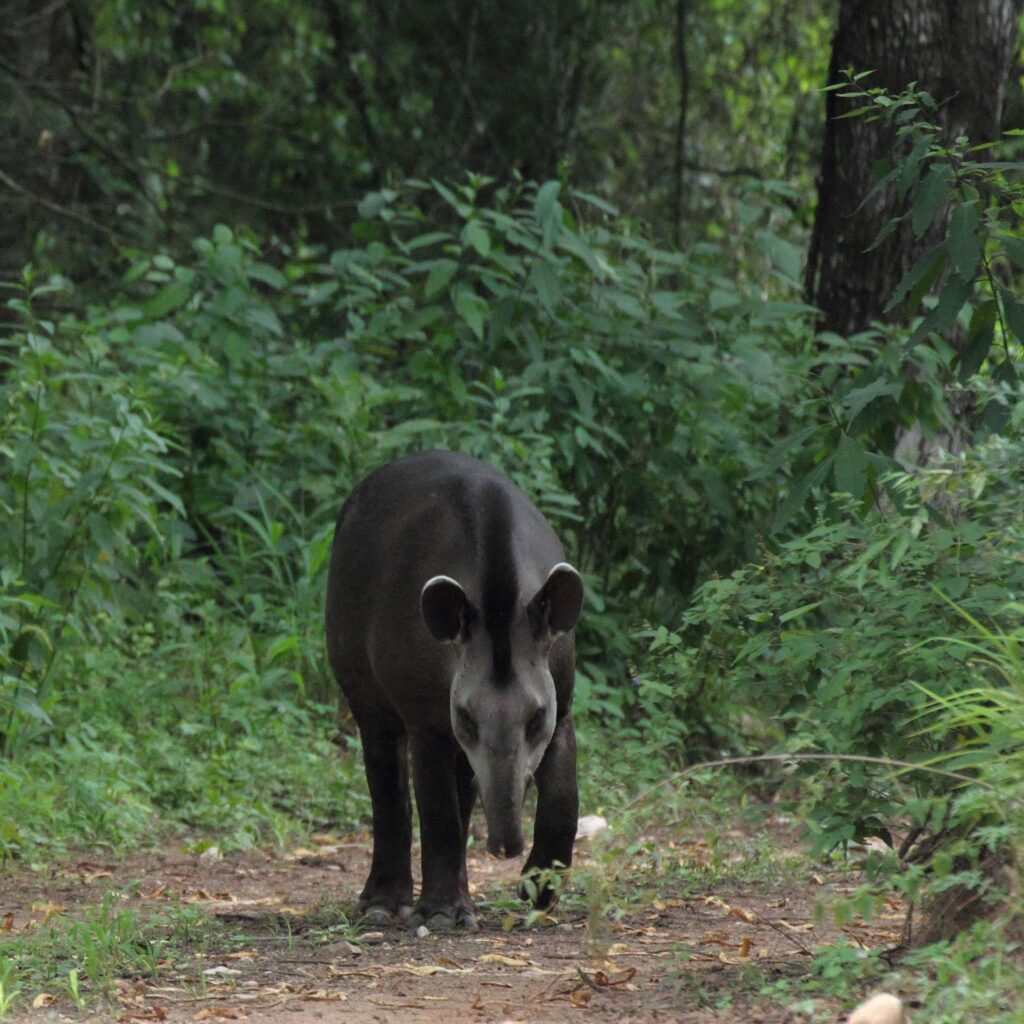
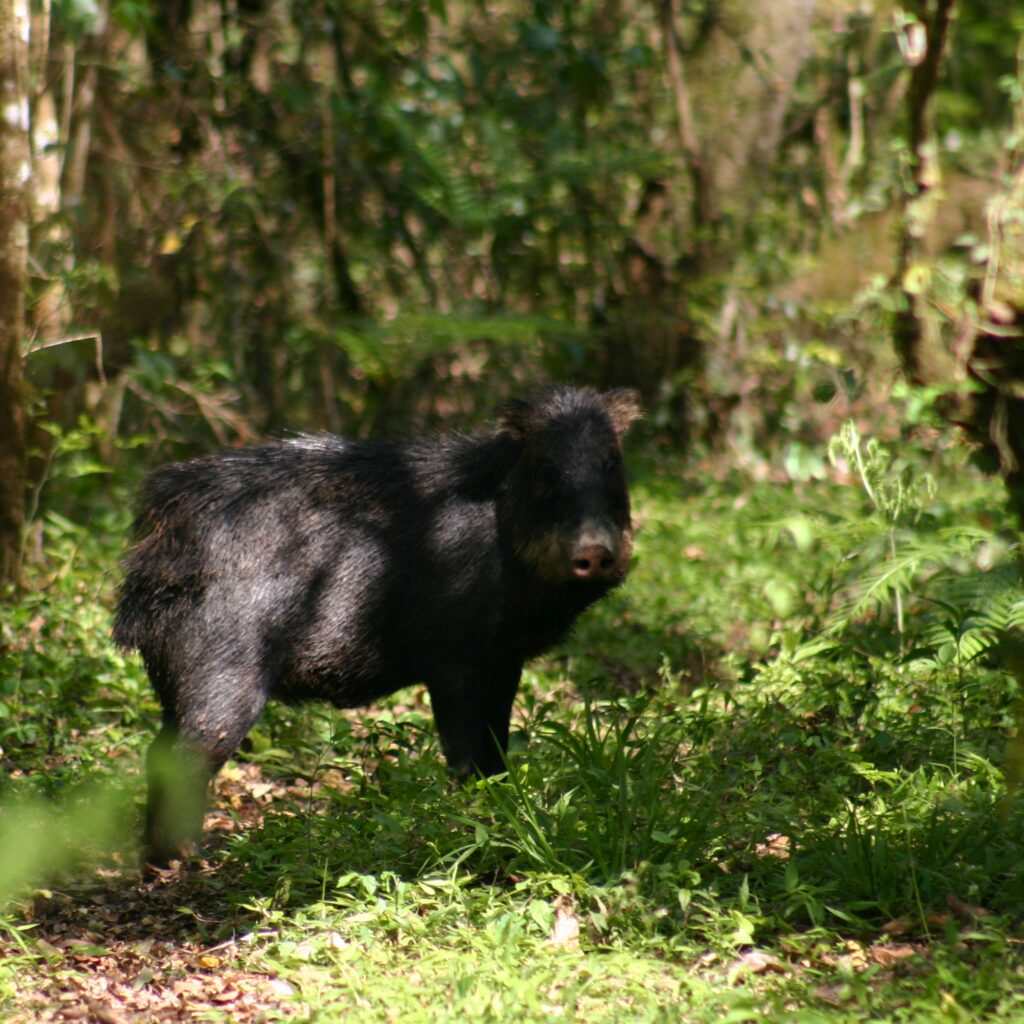
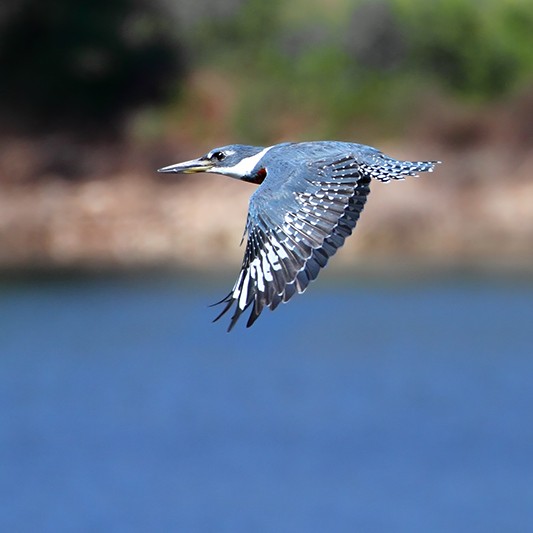
Maintaining the structural integrity of this forested block is critical to preserving an endangered ecoregion facing some of the highest deforestation rates globally. Securing this land is expected to make a significant contribution to maintaining habitat connectivity and safe migratory paths for vulnerable and endangered species (IUCN Red List) adapted to this ecotone/ecosystem. These include the giant anteater (Myrmecophaga tridactyla), the lowland tapir (Tapirus terrestris), the three-banded armadillo (Tolypeutes matacus), and various threatened Chacoan peccaries. Potentially, it also serves as a crucial corridor for apex predators like the jaguar (Panthera onca).

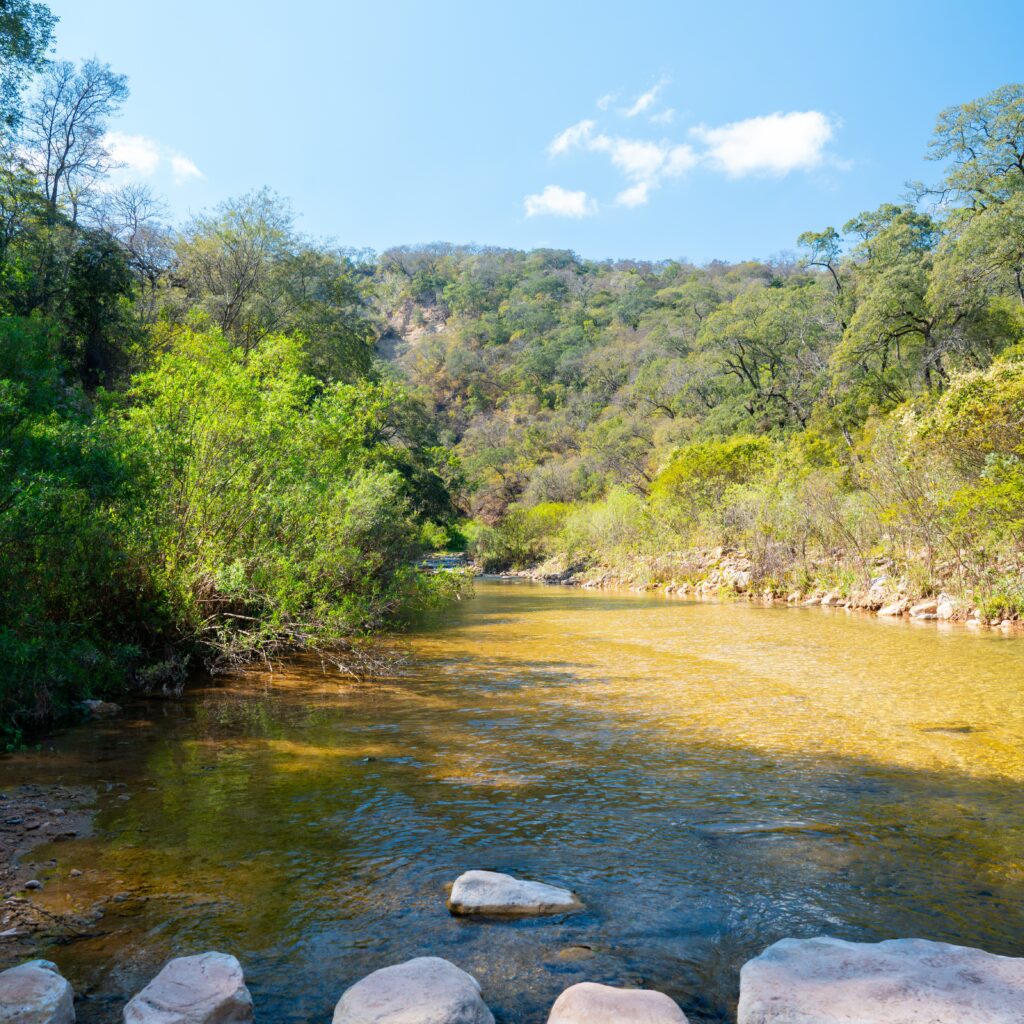
Furthermore, this project area protects a highly sensitive hydrological ecotone where the Yungas mountain headwaters – acting as a natural sponge – transition into the arid plains of the Dry Chaco. Conserving this intact forest cover is vital to stabilizing fragile soils, regulating hydrological flows, and mitigating severe downstream flooding and seasonal water stress for both local communities and sustainable production systems. The concept prioritizes low-cost passive conservation to preserve existing ecological integrity.