
We are living through one of the fastest declines in biodiversity ever, and tropical forests are particularly exposed. Protecting native forests from deforestation and degradation goes far beyond its climate impact. It is crucial to safeguard species from extinction and ecosystems from disappearing to preserve our planet for generations to come.
The forests we aim to protect are typically defined by a wide range of elevation levels, and therefore home to a striking diversity of habitat types. They range from lower, drier vegetation zones in the Chaco to montane and cloud forests at higher elevations in the Yungas.
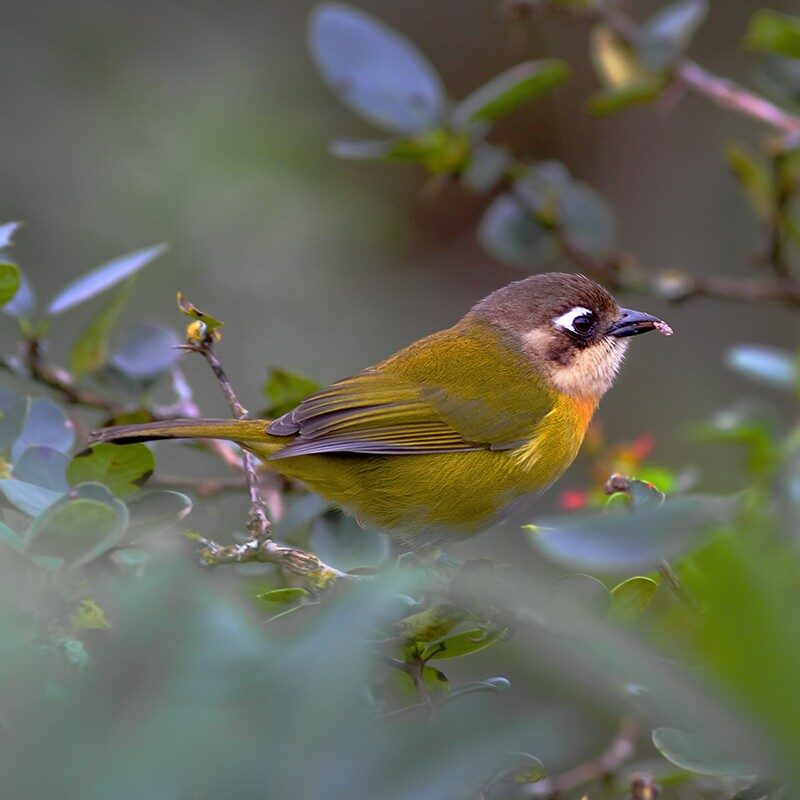
The variety of landscapes supports an extraordinarily large number of species. Our certified projects are targeting the ‘Gold Standard’ for biodiversity as part of the certification under the Climate, Community and Biodiversity (CCB) Standard.
To track tree cover and species richness, we combine three complementary monitoring methods, ensuring biodiversity outcomes are measured with the same rigor as our carbon figures:
We strive to generate a biodiversity impact beyond individual property boundaries. Therefore, many of the forests we envision to protect are located on or adjacent to biological corridors connecting national parks and/or nature reserves to one another.
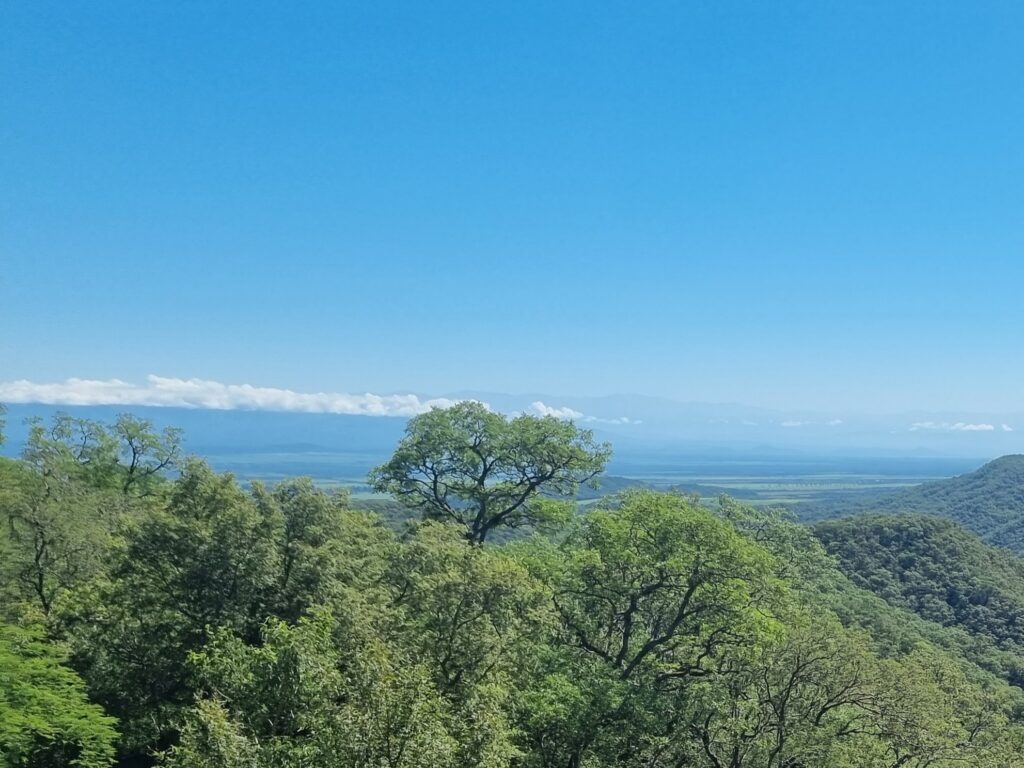
We share the vision of the Kunming-Montreal Global Biodiversity Framework which is to live in harmony with nature. It is one of our key objectives to contribute to this landmark international agreement reached at the UN Biodiversity Conference in 2022. It is often referred to as the “Paris Agreement for Nature”.
The Targets We Contribute To
Biodiversity-Inclusive Spatial Planning
Ensure that all areas are managed under participatory, biodiversity-inclusive planning, bringing the loss of areas of high biodiversity importance close to zero by 2030.
Ecosystem Restoration
Ensure that at least 30% of degraded terrestrial, inland water, and coastal and marine ecosystems are under effective restoration by 2030.
Protected Areas (30x30)
Effectively conserve and manage at least 30% of terrestrial, inland water, and coastal and marine areas by 2030, especially those of particular importance for biodiversity, through well-connected systems of protected areas.
Species Extinction
Halt human-induced extinction of known threatened species, recover species populations, and maintain genetic diversity.
Climate Change
Minimize the impact of climate change on biodiversity through mitigation, adaptation, and nature-based solutions.